Fall Landscaping in College Station: What to Plant and Install Now

Most people think of spring as landscaping season. In Central Texas, fall is the better time to put plants in the ground, and it's the best-kept secret in yard work.
If you've been putting off a landscape project, here's why October through November is the sweet spot, and what's worth doing before winter sets in.
Why Fall Is the Best Time to Plant in College Station
Roots get a head start - Soil stays warm well into the fall while the air cools down. That combination lets new plants focus on building roots instead of surviving heat, so they head into next summer already established.
Less stress on new plants - Planting in the heat of summer means constant watering and a lot of losses. Fall's milder temperatures and more reliable rainfall make for a much easier first few months.
Less competition from weeds - Weed pressure drops as the weather cools, which gives new beds a cleaner start.
You're ready for spring - Plants installed in fall are already settled when spring growth kicks in, so your yard looks full and healthy months sooner than one planted in April.
What to Plant and Install This Fall
Trees and shrubs - Fall is the ideal window for trees and shrubs. Root systems develop through the cooler months, which gives them the best shot at handling a Texas summer.
Perennials and ornamental grasses - These establish well in cool weather and come back stronger the following spring.
Cool-season color - Pansies, snapdragons, and other cool-season annuals add color through the winter months when most beds look bare.
Mulch and bed preparation - A fresh layer of mulch insulates roots against temperature swings, holds moisture, and gives beds a clean, finished look.
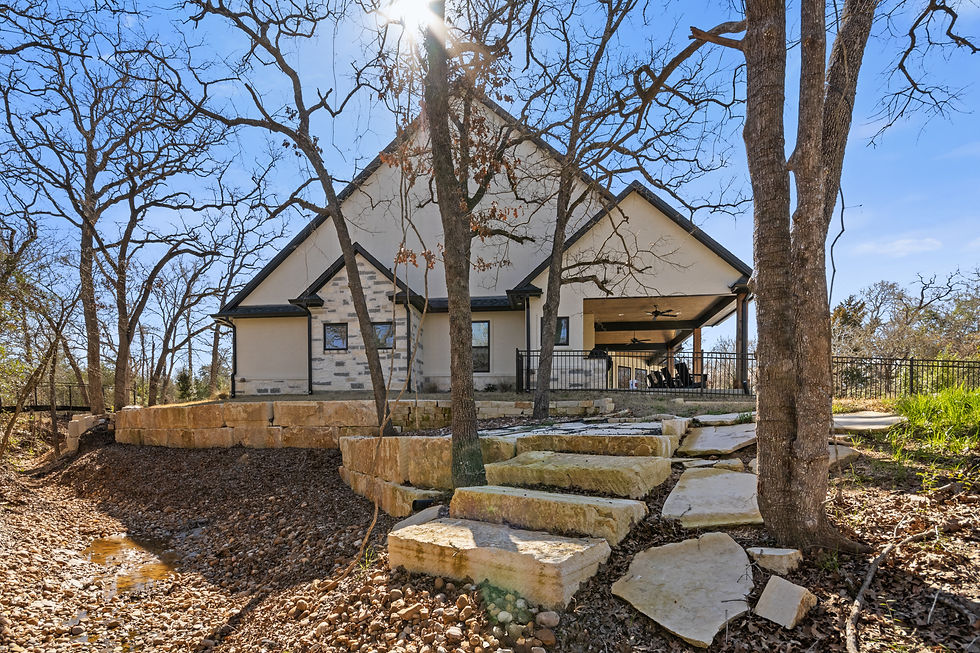
Hardscape and structural projects - Retaining walls, edging, walkways, and patios are good fall projects. Crews work in comfortable weather, and the work is finished before spring planting season.
What to Hold Off On
Warm-season turf installation - Bermuda and St. Augustine sod do best when installed in late spring or early summer. Putting it down this late means it may go dormant before it roots in.
Heat-loving, frost-tender plants - Tropical and cold-sensitive plants are better saved for spring, once the danger of frost has passed.
Fall Landscaping Checklist
Walk your yard and note what worked and what didn't over the summer
Fix drainage problems and bare spots before winter rains
Plan new beds, borders, or tree placement around sun and shade patterns
Check that your irrigation covers new plantings, then adjust the schedule for cooler weather
Add mulch to existing beds
Book installation early, since fall is a busy season for landscapers
Don't Forget Your Irrigation
New plants need consistent water to establish, even in cool weather. If you're adding beds or trees, it's worth making sure your irrigation system reaches them. Adding drip lines or new zones is much easier before planting than after.
Getting Started
A fall landscape project works best when it's planned before the ground gets cold, so the sooner you start the conversation, the more options you'll have. A good plan accounts for your soil, sun exposure, and drainage, not just which plants look good at the nursery.
Ready to get your yard ready for spring? Aquatic Blue Designs handles landscape design and installation from planning to planting, built for College Station's climate. Contact us for a free consultation.


Comments